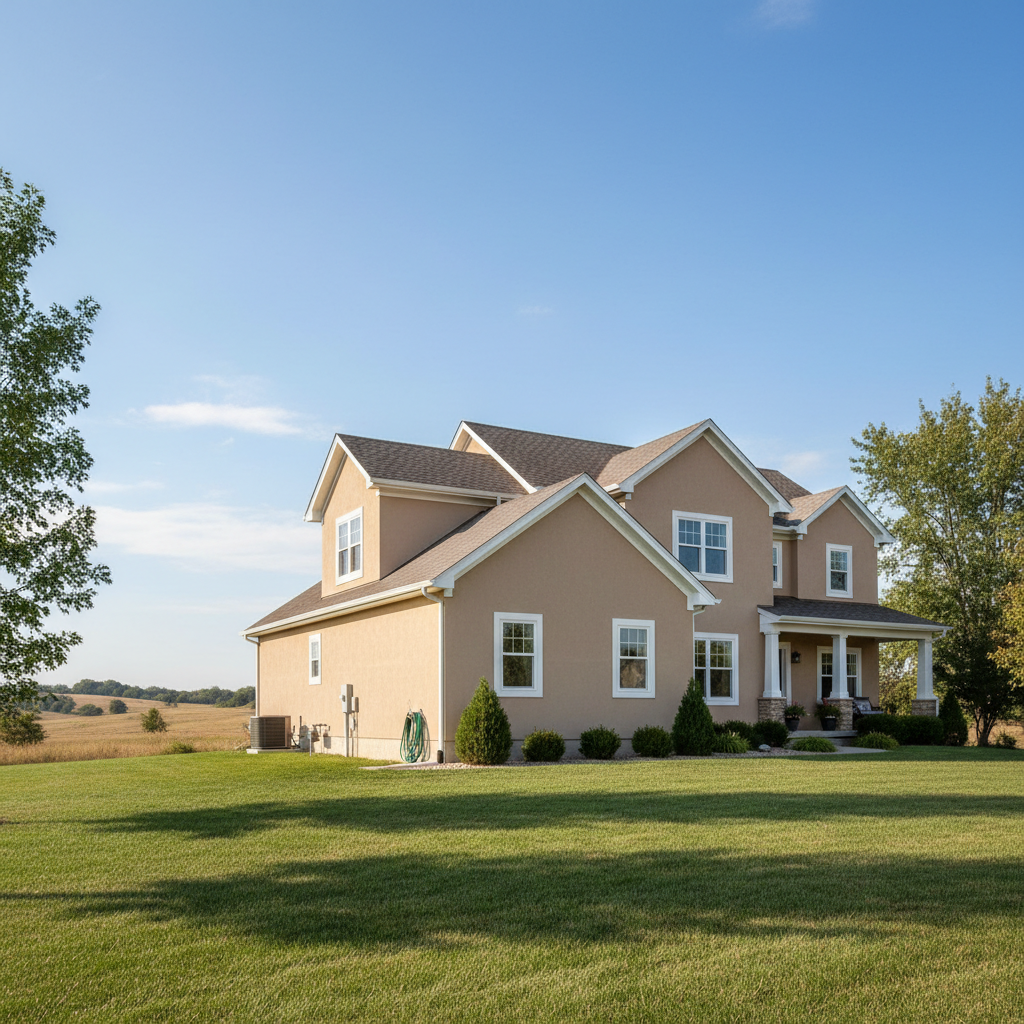
Alright, so you're looking into EIFS for your home here in Wichita. That's a smart move for a lot of reasons – it's durable, offers great insulation, and can really boost your curb appeal. But like any major home improvement, getting EIFS installed isn't something you just jump into. You need a plan. Here's what I tell folks to think about before we even start talking bids.
Understanding the EIFS Installation Timeline
First off, let's talk about how long this whole thing takes. It's not an overnight job, and anyone who tells you it is probably isn't doing it right. A typical EIFS installation on an average-sized home usually runs anywhere from two to four weeks, sometimes a bit more depending on the complexity of the architecture, the size of your house, and, honestly, the weather. We get some wild swings here in Kansas, right? A string of rainy days or a sudden cold snap can definitely push things back. Good contractors will factor that into their initial estimates, but it's always good to have a little wiggle room in your own schedule.
The timeline breaks down into a few main phases: prep work, insulation board installation, base coat and mesh application, and then the finish coat. Each step needs time to cure properly, especially the base coat, before the next one can begin. Rushing it just leads to problems down the road, and nobody wants that.
What to Expect During the Process
When the crew shows up, the first thing you'll see is a lot of setup. We'll need to protect your landscaping, windows, and anything else around the perimeter of your house. That means tarps, plastic sheeting, and sometimes temporary fencing. It's going to look a bit like a construction zone, because it is one.
Next comes the insulation board. These are usually rigid foam panels that get mechanically fastened and/or adhesively applied to your exterior sheathing. Then, we apply the base coat, which is a cementitious material, embedding a fiberglass mesh into it. This mesh is critical for impact resistance and preventing cracks. After that cures, we'll apply a primer, and then the finish coat. The finish coat is what gives EIFS its color and texture, and it's what you'll see every day. There will be noise, there will be dust, and there will be people working around your house for a few weeks. It's just part of the deal. We do our best to minimize disruption, but you'll know we're there.
How to Prepare Your Home and Property
Okay, so what do you need to do on your end? A little preparation goes a long way to making the project run smoothly for everyone. Here's my checklist:
- Clear the perimeter: Move any patio furniture, grills, planters, or anything else that's within about 10 feet of your house. We need clear access all around.
- Trim back foliage: If you've got bushes or trees right up against your house, trim them back. The crew needs room to work, and you don't want your plants getting damaged.
- Secure pets: Keep your dogs and cats indoors or in a secure, enclosed area away from the work zone. Open gates or doors can be a hazard.
- Inform your neighbors: Give your neighbors a heads-up that there will be some construction activity for a few weeks. It's just good neighborly practice.
- Plan for access: Make sure there's clear access for our trucks and equipment. If you usually park in the driveway, you might need to find an alternative spot for a bit.
- Address any existing issues: If you know you have a leaky gutter or a window that's not sealed right, now's the time to get those fixed. We're working on the exterior, but addressing underlying issues beforehand can prevent future headaches.
One thing I always tell folks, especially in older neighborhoods like Riverside or College Hill, is to make sure your exterior walls are in good shape structurally. EIFS is a cladding, not a structural repair. Any existing rot or damage needs to be fixed before we start.
Questions to Ask Before Signing a Contract
This is probably the most important part. Don't just go with the first bid you get. Ask questions, and make sure you're comfortable with the answers. Here are some non-negotiables:
- What's your experience with EIFS specifically? Not all stucco contractors are EIFS experts. Make sure they've got a proven track record with this exact system. Ask for references and photos of completed EIFS jobs.
- Are you licensed and insured? This isn't just a formality. It protects you if something goes wrong. Ask for proof of liability insurance and workers' compensation.
- What kind of warranty do you offer? A good EIFS installation should come with a solid warranty on both materials and labor. Understand what's covered and for how long.
- Can you provide a detailed breakdown of costs? You want to see where your money is going. This should include materials, labor, scaffolding, debris removal, and any other associated costs. Avoid vague estimates.
- What's your process for protecting my property? We talked about this earlier, but make sure they have a clear plan for protecting your landscaping, driveway, and other exterior features.
- How do you handle unforeseen issues? Sometimes we uncover things once we start tearing into a wall. What's their protocol for communicating these issues and getting them resolved without derailing the project or your budget?
- Who will be supervising the project? You want to know there's a dedicated project manager or foreman on site who you can talk to if you have questions or concerns.
- What's the payment schedule? A reputable contractor won't ask for 100% upfront. There should be a clear schedule of payments tied to project milestones.
Look, getting EIFS installed is a big investment in your home. You want it done right, and you want to feel good about the company doing the work. Here at Wichita Stucco & Plastering, we've been doing this for a long time, and we're always happy to answer every single one of these questions. Taking the time to plan and ask the right questions upfront will save you a lot of headaches and ensure you end up with a beautiful, durable exterior that lasts for decades.